

E-commerce Trends Shaping Online Shopping in 2025
2 February, 2025E-commerce is evolving faster than ever. From AI-powered personalization to voice shopping, the online retail landscape is transforming. Here are the trends that will define e-commerce success in 2025. The e-commerce industry has experienced unprecedented growth, accelerated by global events and technological advances, and 2025 promises to bring even more revolutionary changes to how we shop online.
The E-commerce Revolution: Understanding the Shift
The e-commerce industry has seen explosive growth over the past decade, and 2025 is set to bring even more innovation. What started as a convenient alternative to brick-and-mortar shopping has evolved into a sophisticated ecosystem that offers experiences rivaling and often surpassing physical retail. Consumers now expect seamless experiences, personalized recommendations, and instant gratification. Businesses that adapt to these trends will thrive; those that don't will struggle to compete in an increasingly crowded marketplace.
The COVID-19 pandemic accelerated e-commerce adoption by several years, forcing businesses and consumers alike to embrace online shopping. This acceleration has permanently changed consumer behavior and expectations. Today's online shoppers demand more than just products—they want experiences, convenience, personalization, and values alignment with the brands they support.
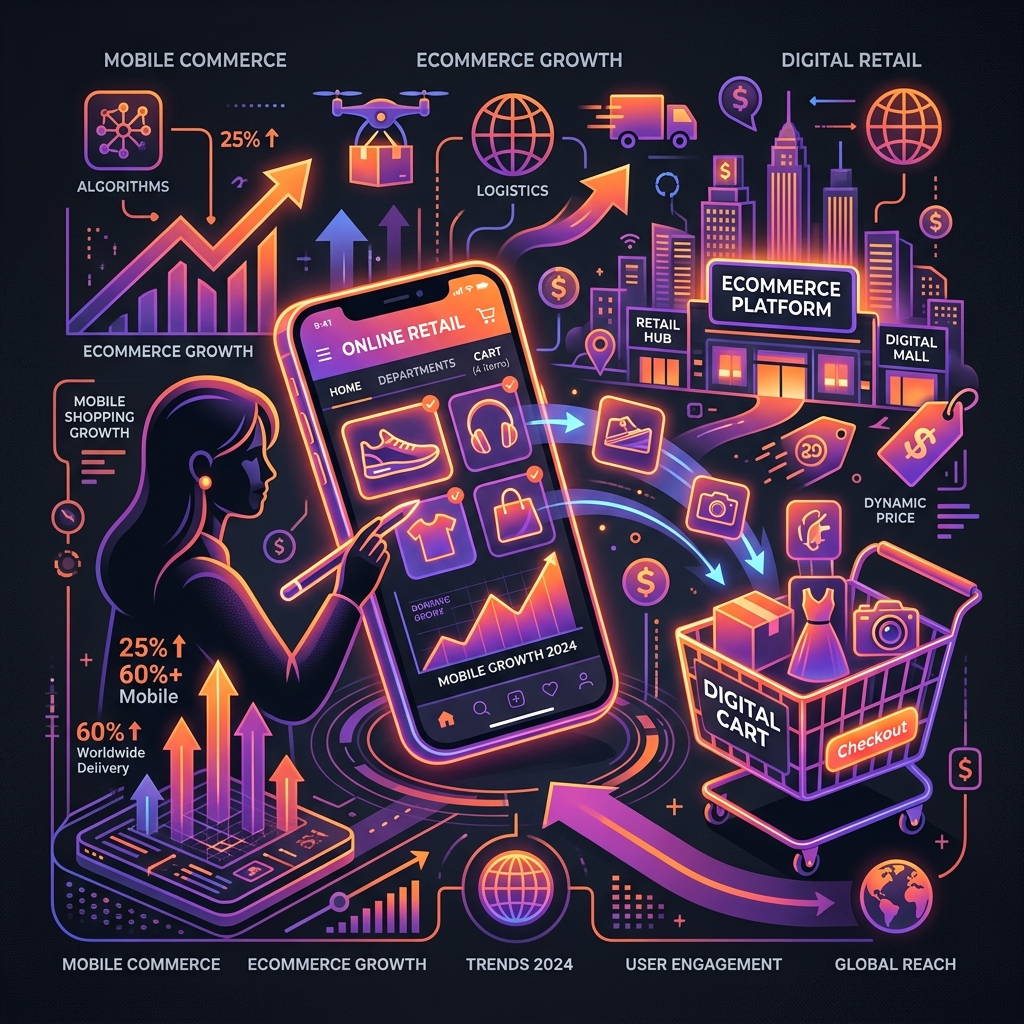
At CODX, we've built e-commerce solutions that leverage these cutting-edge trends. Our clients have seen increased conversion rates, higher average order values, and improved customer retention by implementing these strategies. The key to success lies in understanding these trends not as isolated technologies, but as interconnected elements of a comprehensive e-commerce strategy.
AI-Powered Personalization: The Future of Shopping
Artificial Intelligence is revolutionizing e-commerce personalization, creating shopping experiences that feel tailored to each individual customer. Machine learning algorithms analyze vast amounts of data—browsing history, purchase patterns, search behavior, and demographic information—to predict what customers want before they even know it themselves.
How AI Personalization Works
AI-powered personalization engines process customer data in real-time to deliver personalized product recommendations, dynamic pricing, customized content, and targeted marketing messages. These systems learn from every interaction, continuously improving their understanding of individual customer preferences and behaviors.
For example, when a customer visits an e-commerce site, AI algorithms instantly analyze their past behavior, current session data, and similar customer profiles to display products they're most likely to purchase. This personalization extends beyond product recommendations to include personalized homepage layouts, email content, and even checkout experiences.
Benefits of AI Personalization
Businesses implementing AI personalization see significant improvements in key metrics. Conversion rates can increase by 10-30%, average order values rise as customers discover relevant products, and customer lifetime value improves through better engagement and retention. Personalization also reduces cart abandonment by showing customers products they're more likely to purchase.
Implementing AI Personalization
Implementing AI personalization requires collecting and analyzing customer data, choosing appropriate AI tools or platforms, and integrating personalization throughout the customer journey. Many e-commerce platforms now offer built-in AI personalization capabilities, making it more accessible to businesses of all sizes.
Voice Commerce: Shopping Through Conversation
Voice commerce, or v-commerce, is transforming how consumers shop online. With the proliferation of smart speakers and voice assistants like Amazon Alexa, Google Assistant, and Apple Siri, consumers are increasingly comfortable using voice commands for shopping tasks.
The Growth of Voice Shopping
Voice shopping is becoming mainstream, particularly for routine purchases and reorders. Consumers use voice assistants to add items to shopping lists, reorder frequently purchased products, and even make new purchases. The convenience of voice shopping appeals to busy consumers who want to shop hands-free while multitasking.
Optimizing for Voice Commerce
To succeed in voice commerce, businesses must optimize their product listings for voice search. This includes using natural language in product descriptions, focusing on conversational keywords, and ensuring products are discoverable through voice queries. Voice commerce also requires streamlined checkout processes, as voice interactions favor simple, quick transactions.
Voice Commerce Challenges and Opportunities
Voice commerce presents unique challenges, including the inability to show visual product information and the need for simplified decision-making processes. However, it also offers opportunities for brands that can create memorable voice experiences and build trust through consistent, helpful interactions.
Social Commerce: Shopping Where Consumers Already Are
Social commerce represents the convergence of social media and e-commerce, enabling consumers to discover and purchase products directly within social media platforms. This trend eliminates friction in the shopping journey by allowing consumers to purchase without leaving their favorite social apps.
Platform-Specific Social Commerce
Different social platforms offer unique social commerce capabilities. Instagram Shopping allows businesses to tag products in posts and stories, creating shoppable content. Facebook Shops enable businesses to create full storefronts within Facebook. TikTok Shopping integrates commerce into short-form video content. Pinterest Shopping allows users to purchase directly from pins. Each platform offers different features and reaches different audiences.
Influencer-Driven Commerce
Social commerce is closely tied to influencer marketing, with influencers driving significant e-commerce sales through product recommendations and reviews. Consumers trust recommendations from influencers they follow, making social commerce particularly effective for product discovery and conversion.
Live Shopping and Interactive Commerce
Live shopping events, where hosts demonstrate products in real-time while viewers can purchase instantly, are gaining popularity. These interactive shopping experiences combine entertainment with commerce, creating engaging experiences that drive impulse purchases and build community around brands.
Augmented Reality: Bringing Products to Life
Augmented Reality (AR) is revolutionizing online shopping by allowing consumers to visualize products in their own environment before purchasing. This technology addresses one of e-commerce's biggest challenges: the inability to see, touch, or try products before buying.
Virtual Try-On Experiences
AR enables virtual try-on experiences for various product categories. Fashion retailers use AR to let customers see how clothing looks on them. Furniture retailers enable customers to visualize furniture in their homes. Beauty brands allow virtual makeup try-ons. These experiences reduce purchase uncertainty and decrease return rates.
3D Product Visualization
3D product visualization goes beyond static images, allowing customers to rotate, zoom, and interact with products in three-dimensional space. This provides a more complete understanding of products than traditional product photography, helping customers make more informed purchase decisions.
AR Implementation Strategies
Implementing AR doesn't require expensive custom development. Many e-commerce platforms now offer AR capabilities, and third-party AR solutions can be integrated into existing stores. The key is identifying which products benefit most from AR experiences and implementing AR in ways that enhance rather than complicate the shopping experience.
Sustainable E-commerce: Values-Driven Shopping
Sustainability has become a competitive advantage in e-commerce, as consumers increasingly prioritize environmental and social responsibility when making purchasing decisions. Eco-friendly packaging, carbon-neutral shipping, and ethical sourcing are no longer nice-to-haves—they're expectations for many consumers.
Eco-Friendly Packaging Solutions
Sustainable packaging is a key focus area for e-commerce businesses. This includes using recyclable or biodegradable materials, minimizing packaging waste, and eliminating single-use plastics. Many businesses are also exploring innovative packaging solutions like mushroom-based packaging or packaging made from agricultural waste.
Carbon-Neutral Shipping
Carbon-neutral shipping options allow customers to offset the environmental impact of their purchases. Some businesses absorb this cost, while others offer it as an optional add-on. Either way, providing carbon-neutral shipping options demonstrates environmental commitment and appeals to eco-conscious consumers.
Transparent Supply Chains
Consumers want to know where products come from and how they're made. Transparent supply chains, ethical sourcing information, and sustainability certifications help build trust and differentiate brands. Businesses that can demonstrate genuine commitment to sustainability gain competitive advantages.
Mobile-First Shopping: The New Standard
Mobile commerce, or m-commerce, has become the dominant channel for online shopping. Optimized mobile experiences are no longer optional—they're essential. More than 60% of e-commerce traffic comes from mobile devices, and this percentage continues to grow.
Mobile-Optimized Experiences
Mobile-first e-commerce design prioritizes mobile user experience, with features like thumb-friendly navigation, simplified checkout processes, and fast load times. Mobile-optimized sites see higher conversion rates, lower bounce rates, and better user engagement than sites that treat mobile as an afterthought.
Mobile Payment Solutions
Mobile payment solutions like Apple Pay, Google Pay, and digital wallets streamline checkout processes, reducing friction and abandonment. One-click checkout options and saved payment information make mobile purchases faster and more convenient, improving conversion rates significantly.
Progressive Web Apps (PWAs)
Progressive Web Apps combine the best of websites and mobile apps, offering app-like experiences through web browsers. PWAs load quickly, work offline, and can be installed on home screens, providing native app benefits without app store distribution requirements.
Subscription Models: Building Recurring Revenue
Subscription e-commerce models continue to grow, offering businesses predictable recurring revenue and customers convenience and value. From subscription boxes to software-as-a-service models, subscriptions are reshaping how consumers purchase and how businesses generate revenue.
Types of Subscription Models
Subscription models vary widely. Replenishment subscriptions automatically deliver consumable products at regular intervals. Curation subscriptions provide personalized product selections. Access subscriptions offer exclusive benefits or content. Hybrid models combine elements of these approaches.
Benefits of Subscription Models
For businesses, subscriptions provide predictable revenue, improved customer lifetime value, and reduced customer acquisition costs. For customers, subscriptions offer convenience, value, and personalized experiences. Successful subscription models create win-win scenarios that benefit both businesses and customers.
Subscription Model Best Practices
Successful subscription models require careful pricing, flexible options, and excellent customer service. Businesses must balance value delivery with profitability, offer easy cancellation options, and continuously improve their offerings based on customer feedback. Transparency and communication are crucial for maintaining subscriber satisfaction.
Omnichannel Commerce: Seamless Shopping Experiences
Omnichannel commerce creates seamless shopping experiences across all touchpoints—online, mobile, social media, and physical stores. Customers expect to start shopping on one channel and continue on another without friction or data loss.
Unified Customer Data
Omnichannel success requires unified customer data that tracks interactions across all channels. This enables personalized experiences, consistent messaging, and seamless transitions between channels. Customer Relationship Management (CRM) systems and Customer Data Platforms (CDPs) help businesses achieve this unification.
Buy Online, Pick Up In Store (BOPIS)
BOPIS, also known as click-and-collect, combines online and offline shopping. Customers purchase online and pick up in-store, enjoying the convenience of online shopping with the immediacy of in-store pickup. This model has grown significantly and offers benefits to both businesses and customers.
Headless Commerce: Flexibility and Innovation
Headless commerce separates the frontend presentation layer from the backend commerce functionality, providing flexibility to create unique customer experiences across any device or channel. This architecture enables businesses to innovate faster and create differentiated experiences.
Benefits of Headless Architecture
Headless commerce allows businesses to use best-of-breed solutions for different aspects of their e-commerce operations. They can choose the best frontend framework, content management system, and commerce platform independently, creating optimal solutions for their specific needs.
API-First Approach
Headless commerce relies on APIs to connect frontend and backend systems. This API-first approach enables integration with various third-party services, custom applications, and emerging technologies. Businesses can add new capabilities without rebuilding entire systems.
Customer Experience: The Ultimate Differentiator
While technology trends are important, exceptional customer experience remains the ultimate differentiator in e-commerce. Technology should enhance, not replace, human-centered design and customer service excellence.
Fast and Transparent Shipping
Shipping speed and transparency significantly impact customer satisfaction. Customers want accurate delivery estimates, real-time tracking, and clear communication about shipping status. Businesses that excel at shipping logistics gain competitive advantages.
Easy Returns and Exchanges
Flexible return and exchange policies reduce purchase risk and increase customer confidence. Easy return processes, including free returns and simple return procedures, can be the difference between a sale and an abandoned cart.
Exceptional Customer Service
Responsive, helpful customer service remains crucial for e-commerce success. Live chat, quick response times, and knowledgeable support staff create positive experiences that drive loyalty and word-of-mouth marketing.
"E-commerce success in 2025 is about experience, not just transactions."
- CODX E-commerce Team
Data Privacy and Security: Building Trust
As e-commerce grows, so do concerns about data privacy and security. Businesses must prioritize protecting customer data and being transparent about data usage. Trust is essential for e-commerce success, and data breaches or privacy violations can destroy customer relationships instantly.
GDPR and Privacy Regulations
Privacy regulations like GDPR, CCPA, and others require businesses to handle customer data responsibly. Compliance isn't just a legal requirement—it's a trust-building opportunity. Transparent privacy policies and clear data usage explanations help build customer confidence.
Secure Payment Processing
Secure payment processing is non-negotiable. Businesses must use PCI-compliant payment processors, implement SSL certificates, and follow security best practices. Customers need confidence that their payment information is safe.
Implementing E-commerce Trends: A Strategic Approach
Implementing these trends requires strategic planning and prioritization. Not every trend will be relevant for every business, and trying to implement everything at once can be overwhelming and ineffective.
Assess Your Business Needs
Start by assessing which trends align with your business model, target audience, and resources. Consider your customers' needs, your competitive landscape, and your growth goals. Focus on trends that will have the greatest impact on your specific business.
Start Small, Scale Gradually
Don't try to implement everything at once. Start with one or two trends that offer the highest potential return, test and refine your implementation, then expand to additional trends. This approach reduces risk and allows for learning and optimization.
Measure and Optimize
Track the impact of trend implementations on key metrics like conversion rates, average order value, customer lifetime value, and customer satisfaction. Use data to optimize your approach and determine which trends deliver the best results for your business.
The Future of E-commerce: What's Next
E-commerce continues to evolve rapidly, with new technologies and trends emerging regularly. Virtual and augmented reality will become more sophisticated. Artificial intelligence will enable even more personalized experiences. Blockchain may transform supply chain transparency and payment processing.
The businesses that succeed will be those that stay current with trends while maintaining focus on fundamental principles: creating value for customers, building trust, and delivering exceptional experiences. Technology should serve these principles, not replace them.

Conclusion: Embracing the Future of E-commerce
These trends aren't just passing fads—they represent the future of retail. Businesses that embrace them early will gain significant competitive advantages. The key is to implement them in ways that genuinely improve the customer experience, not just for the sake of adopting new technology.
The e-commerce landscape in 2025 is more dynamic and competitive than ever. Success requires understanding these trends, strategically implementing relevant ones, and continuously adapting to changing customer expectations and technological capabilities.
Ready to transform your e-commerce business? CODX specializes in building modern, trend-driven online stores that convert visitors into customers. Our team combines technical expertise with strategic insight to help businesses leverage these trends for sustainable growth.
Whether you're launching a new e-commerce business or optimizing an existing one, understanding and implementing these trends can drive significant improvements in performance, customer satisfaction, and competitive positioning. The future of e-commerce belongs to businesses that can combine innovative technology with exceptional customer experiences.
"In 2025, the best e-commerce stores don't just sell products—they create experiences. They understand their customers, leverage technology thoughtfully, and build relationships that extend far beyond individual transactions. This is the future of e-commerce, and it's available to businesses that are willing to embrace change and prioritize customer value."